

chapter treatments
Glyphosate: toxicity and exposure risks
Click on ♦ to go to a page in the chapter
Organic or conventional treatments against pests ♦
A few remarks on pesticides approved for use in organic farming ♦
Copper and sulfur-based compounds ♦
Pyrethrins used in organic farming ♦
Neem oil and spinosad ♦
The virtues of nettle manure ♦
⇒ Glyphosate: toxicity and exposure risks
Please share this website with your friends and family and anyone else who might be interested in integrated farming methods.
In 2015, the International Agency for Research on Cancer (IARC), an offshoot of the WHO, classified glyphosate as a probable human carcinogen (Group 2A). A few months later, the EFSA (European Food Safety Authority) and the EChA (European Chemicals Agency) published their own expert reports stating that glyphosate is not carcinogenic, mutagenic, or toxic to reproduction in humans. Other non-European agencies issued similar opinions (see some opinions at the bottom of the page).
Why such a difference in assessment?
Group 2A, which includes glyphosate, covers substances with limited evidence of carcinogenicity in humans but sufficient evidence of carcinogenicity in animals. This list focuses primarily on the danger associated with the agents. The IARC itself specified in 2015 that “The classification indicates the weight of evidence as to whether an agent is capable of causing cancer (technically referred to as ‘hazard’), but it does not measure the likelihood that cancer will occur (technically referred to as ‘risk’) following exposure to the agent (1). Health agencies, however, are precisely studying the risks associated with exposure—that is, the probability of developing cancer based on the level of exposure to the carcinogenic agent.
IARC monographs are criticized by certain experts—notably Nathan Schachtman, a lawyer at UB Greensfelder and law professor at Columbia—particularly regarding their use in legal cases in the United States(see below) .
Those campaigning against the use of glyphosate reject the findings of health agencies, which are accused of being influenced by lobbyists from Monsanto-Bayer, the company that produces glyphosate-based formulations.
Regarding the exposure risks identified by health agencies, their risk assessment systems are disregarded or even challenged. To this end, anti-glyphosate activists do not hesitate to rely on controversial publications, notably those from the Ramazzini Institute. Health agencies also face accusations of lacking transparency, ignoring data from independent sources, and cherry-picking industry-funded studies that support their position.
Could this be a vast global conspiracy orchestrated by a multinational corporation that has bribed all the health agencies?
Rather than falling into the trap of conspiracy theories, which have invaded the internet in recent years, let’s return to the definition of danger highlighted by the IARC and the exposure risks identified by health agencies in real-world situations. To illustrate their different interpretations, it is more meaningful to take as an example another molecule in group 2A that many French people consume every day without knowing it: acrylamide.
Why choose this molecule?
The IARC list can be viewed by clicking here
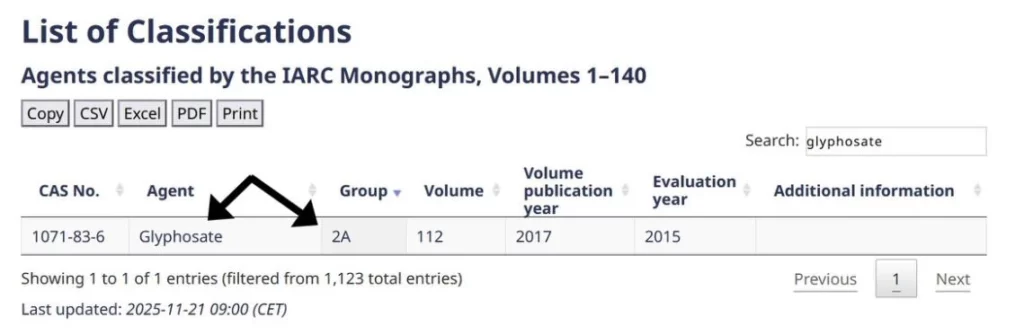
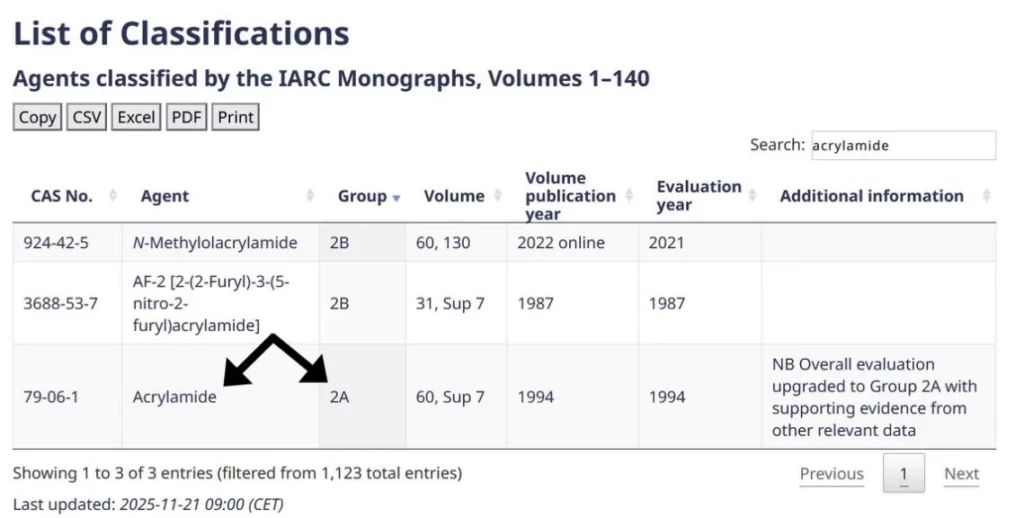
Acrylamide forms spontaneously when foods rich in carbohydrates and proteins are cooked at high temperatures (above 120°C).
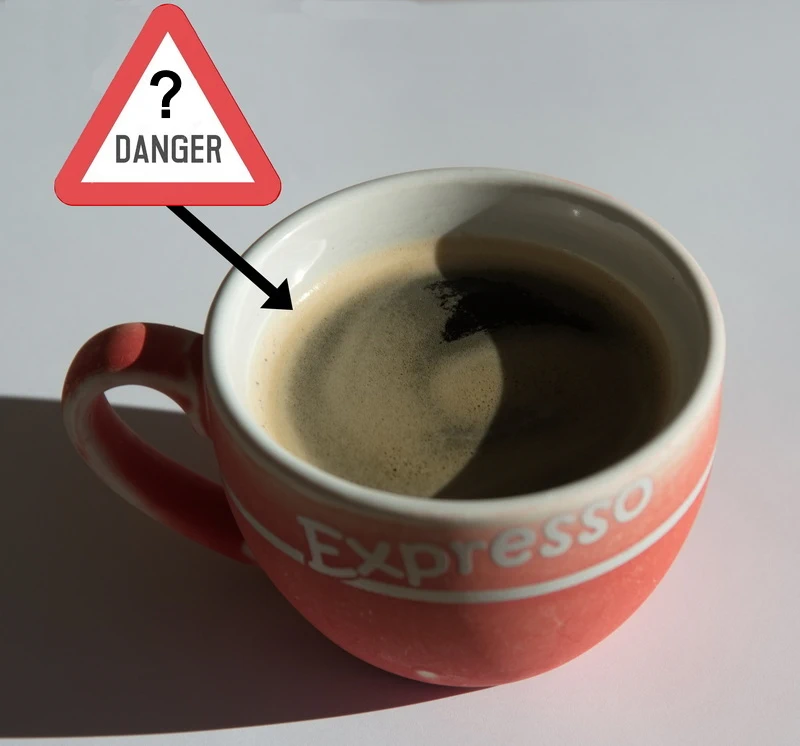
This substance is present in coffee following roasting, but also in many other products subjected to high temperatures, such as roasted almonds, French fries, and even certain cooked vegetables.
Since acrylamide belongs to the same classification as glyphosate, why is no one calling for a ban on coffee?
Why is so much energy being expended to combat the use of glyphosate, and nothing against coffee, which contains a substance recognized as a probable carcinogen in the IARC nomenclature?
Because there are no scientific studies showing that coffee consumption increases the risk of cancer (there are even studies that show the opposite due to the antioxidant properties of coffee). The amount of acrylamide in coffee is so low that to reach a worrying level of cancer risk, you would have to drink at least 1,000 cups of coffee a day.
For some twenty years, coffee was classified by the IARC as a probable carcinogen before being removed from its list. However, since 2017, industry players have been required to implement acrylamide mitigation measures to ensure levels do not exceed benchmarks revised every three years (e.g., the choice of potato varieties for french fries and frying oil temperatures). For coffee, critical roasting conditions have also been established to minimize acrylamide formation (10).
It is worth noting that acrylamide is not the only substance included in IARC classifications. Some of these substances are in common use in medicine and baby care products. Examples include Adriamycin (used in cancer treatment), chloramphenicol (an essential antibiotic according to the World Health Organization), and talc, which was very recently classified as a probable carcinogen in July 2024. Consequently, in most cases, IARC classifications bear no relation to the actual use of these substances (such as dosage or duration of exposure).
To quote Paracelsus, “Everything is poison and nothing is without poison; only the dose makes something not a poison.” The lower the exposure to the carcinogen, the lower the risk of developing cancer (a).
On conflicts of interest among scientists at the International Agency for Research on Cancer (IARC)
The process used by the International Agency for Research on Cancer (IARC) to analyze potentially carcinogenic substances has been critically examined in a study by attorney Nathan Schachtman (1). He clearly outlines how the IARC misleads regulators, the courts, and the media.
The quantification of exposure to carcinogenic agents is downplayed or even omitted in order to prioritize the precautionary principle in policy and legal decisions. “IARC classifications provide little to no information regarding the route of exposure, actual conditions of use, exposure levels (including peak and cumulative human exposure), the agent’s metabolic fate and distribution within the human body, its toxicokinetics (the rate at which the agent is metabolized or eliminated), the exposure-response relationship, or the existence of exposure thresholds for any associated risk.“
On their own, however, hazard assessments are insufficient—and even useless—especially when substances classified as carcinogenic by the IARC are naturally produced by the human body, such as formaldehyde, ethylene oxide, and testosterone.
Thus, the hazard-based precautionary approach adopted by the IARC proves to lack scientific rigor. To what end?
It is evident that the IARC has strayed from science and evidence since establishing close ties with members of the Collegium Ramazzini who participate in the process of drafting IARC monographs. Almost without exception, all the IARC scientists whom Nathan Schachtman accused of concealing conflicts of interest were members of the Collegium Ramazzini.
The Ramazzini Institute is known in the scientific community for heavily publicizing controversial studies that have not been validated by public health authorities—most notably regarding aspartame and glyphosate. The institution operates like a private club of activist scientists driven by political motives.
In the United States, many Ramazzini Institute activists are linked to the litigation industry—such as Philip Landrigan, the long-standing director of Ramazzini’s scientific board and an entrepreneur in the litigation sector. Members of the institution share the same views and peer-review each other’s articles for publication in their own journals; these peers are, for this reason, not neutral, which undermines the credibility of the journals.
Nathan Schachtman criticizes the purpose and methodology behind IARC classifications, which are developed in collaboration with the Ramazzini network. These classifications—of questionable scientific quality—enable predatory law firms to pursue mass tort litigation.
Another weakness of the IARC highlighted by Nathan Schachtman concerns the verification process for its publications—an issue never raised by environmentalist circles. “The countless systematic reviews published annually in high-profile journals undergo peer review of varying quality. The IARC, however, remains adamant in its refusal to submit its monographs to external review prior to publication.“
- IARC’s Precautionary Science: How the WHO Cancer Research Agency Misinforms Regulation and Litigation – By: Nathan A. Schachtman 18 mai 2026 ♦
The IARC has established that glyphosate is carcinogenic in animals at doses much higher than those used to destroy weeds, i.e., approximately 1,000 times the dose recommended for agricultural use (b). Naturally, it is important to know whether the risk of developing cancer—including in the long term—persists at the dosage levels used by farmers. The conclusions of all health agencies are unequivocal; all the studies considered show no significant risk under normal conditions of use.
EFSA and Monsanto publications
Regarding the glyphosate approval process, the EFSA is accused by anti-glyphosate activists of having copied the dossier submitted by Monsanto word for word. The vast majority of independent studies indicating harmful effects of glyphosate were reportedly deemed unreliable. Conversely, the EFSA maintains that it independently evaluated the studies submitted by industry players.
Dismissing a text makes sense only if its content is flawed, regardless of its origin. One must instead rely on robust data that contradicts documents provided by public or private authors. If experts deem a study from an industrial source to be sound, why should it be ignored? Furthermore, health agencies require companies to fund long-term studies involving hundreds of rats—studies that no university is capable of conducting.
Did industry players conceal studies showing unfavorable results for glyphosate? Regarding animal carcinogenicity studies on glyphosate—and specifically the eight long-term studies selected by the IARC—four reportedly showed sufficient evidence. Yet, these four studies were mandatory regulatory studies funded by the industry: three funded by Monsanto in 1981, 1983, and 1990, and one funded by Cheminova in 1993. However, there are hundreds of studies showing the opposite under real-world usage conditions.
As for the research studies that were not taken into account by the health agencies, this was because they did not meet the criteria for confirming the claimed results. To cite one example, this is why the work of INSERM, although taken into account by EFSA, did not change its opinion. A meticulous protocol is imposed and everything must be verified. the origin of the products tested (are the dosages equivalent to those on the market?), the measurement methods, the number of trials, the nature and number of participants in the cohorts, any biases, etc. To identify the hazards and risks of exposure to a substance, EFSA conducts an analysis of all scientific publications, but not just any old how. Studies are selected if they meet the rigorous and mandatory criteria defined in particular in European Union Regulation No. 283/2013. As glyphosate is a highly sensitive subject, it is certain that each publication has been scrutinized by EFSA and other health agencies, especially since Monsanto has been ordered to pay compensation to individuals on several occasions.
Glyphosate and cancer risks
It is interesting to revisit a topic often raised by anti-glyphosate activists. Meta-analyses would reinforce the presumption of a link between glyphosate and the risk of non-Hodgkin’s lymphoma in farming populations (which is still a rare cancer among farmers). Several recent studies, including a cohort analysis (Andreotti et al., 2018) specifically on glyphosate exposure using the most up-to-date follow-up data, show no association and no dose effect has been demonstrated. The Joint Meeting on Pesticide Residues (JMPR) of the World Health Organization has emphasized that the Agricultural Health Study (AHS) is the only prospective study of good quality.
This is also why, in the United States, Mark McCostlin’s widely publicized lawsuit against Monsanto ended in failure. Mark McCostlin was convinced that glyphosate was the cause of his non-Hodgkin’s lymphoma, but Judge Brian May ruled that there was no evidence to support the plaintiff’s army of lawyers. It should be noted that one of Mark McCostlin’s lawyers, who participated in the “Monsanto Papers,” was disbarred after serving two years in prison for attempting to blackmail another pesticide manufacturer.
This is also why, in the United States, Mark McCostlin’s widely publicized lawsuit against Monsanto ended in failure. Mark McCostlin was convinced that glyphosate was the cause of his non-Hodgkin’s lymphoma, but Judge Brian May ruled that there was no evidence to support the plaintiff’s army of lawyers (d). It should be noted that one of Mark McCostlin’s lawyers, who participated in the “Monsanto Papers,” was disbarred after serving two years in prison for attempting to blackmail another pesticide manufacturer.
With regard to mortality, French farmers do not show any higher than normal mortality rates for any type of cancer. On the contrary, their mortality rates are significantly lower than those of the general population for most types of tumors, regardless of whether or not farmers use pesticides.
Thus, to date, there is no robust scientific study showing that the dose of glyphosate recommended for agricultural use presents a proven carcinogenic risk as long as the recommended precautions are applied. This is specified in the INRS summary sheet accessible by clicking here.
A very detailed study by the CNRS on the health risks of glyphosate and glyphosate-based formulations is also available here.
a) Endocrine disruptors, which act at very low doses, do not obey this rule, but their effects on organisms are very different (they disrupt hormone action). Although the data in the literature is contradictory, EFSA published a report in 2017 stating that glyphosate was probably not an endocrine disruptor, leaving the debate open.
b) Since October 2020, glyphosate is authorized at 1080 g/ha/year only in situations of no-till or summer-early autumn tillage in hydromorphic soil or in the presence of regulated weeds (ragweed is mainly concerned in certain departments), in the latter case the dose can go up to 2880 g/ha/year.
c) European scientist Philippe Stoop 17 -7 2018 Pesticides et cancers chez les agriculteurs : la fuite en avant vers l’irréfutabilité (première partie) ♦
d) In the United States, approximately 200,000 Roundup-related lawsuits have been filed against Bayer, with more than 125,000 filed since 2015. Jury verdicts have been mixed, with 13 verdicts in favor of Bayer and 11 in favor of plaintiffs, including a $2.1 billion award granted by a Georgia jury. Many other claims were resolved through separate settlements brokered by predatory law firms prior to the Supreme Court ruling of June 26, 2026.
Toxicological characteristics of glyphosate are detailed in the INRS summary sheet
Toxicokinetics – Metabolism
Glyphosate penetration through the skin is limited (less than 3% in rats). It is minimally, if at all, metabolized in animals and does not accumulate.
Experimental Toxicity
Acute Toxicity
The acute toxicity of glyphosate is low via the oral route. Inhalation exposure causes sometimes severe lung damage, as well as liver and kidney damage. Mild skin irritation and severe eye irritation have been reported.
Subchronic and chronic toxicity
Subacute and subchronic oral studies show low toxicity of glyphosate.
Genotoxic effects
The mutagenic potential of glyphosate has been evaluated in numerous in vitro and in vivo tests, which have not shown any genotoxic effects.
Carcinogenic effects
Various chronic toxicity studies have not revealed any carcinogenic potential for glyphosate.
Effects on reproduction
No effects on reproductive parameters have been observed, and studies conducted on rats and rabbits have not revealed any teratogenic effects of glyphosate at doses that are not toxic to the mothers.
Human Toxicity
There are no data on exposure to glyphosate alone, only to commercial preparations. Acute exposure to these preparations is generally irritating, even caustic, to the skin and mucous membranes. Allergic reactions have been reported. Intentional or accidental ingestion leads to severe damage that can be fatal. The presence of surfactant in the preparation has been implicated in the frequently observed pulmonary complications. Repeated exposure causes contact dermatitis. An increased risk of developing certain blood disorders has been reported, but no conclusions can be drawn at this time. There are no data on genotoxic or reproductive toxicity effects.
La pénétration du glyphosate à travers la peau est limitée (moins de 3 % chez le rat). Il est peu, voire pas du tout, métabolisé chez l’animal et il ne s’accumule pas.
The fierce controversy surrounding glyphosate, sparked in recent years by insinuating journalists, a few militant scientists, and NGOs, has had numerous negative effects and led to abuses that prevent the general public from distinguishing truth from falsehood. The confusion between danger and exposure levels is perpetuated either through ignorance on the part of the authors or deliberately to create a climate of fear. It should also be noted that the teaching of food toxicology is limited in many scientific training programs, including medical universities, which explains why some scientists are unable to distinguish between danger and risk.
Should the precautionary principle be applied to glyphosate?
This is a question that comes up often. We know the simplistic slogan: when a danger is suspected, “when in doubt, ban it.” But why target only glyphosate? Why not ban coffee and all the other substances classified as probable carcinogens by the IARC? Either the risk of cancer is proven under real-world conditions of use of a substance, in which case binding measures must be taken to reduce this risk, or the risk is not seriously established. Otherwise, anyone can invoke the precautionary principle to ban any substance.
It is worth remembering that glyphosate is the subject of a consensus among all health agencies. Climate change is the subject of a consensus, as is the benefit of vaccines, and tobacco is classified as a known carcinogen, but not coffee,nor talcum powder when used to protect babies’ bottoms. Why make an exception for glyphosate? Is fear fueled by a vocal handful of activist scientists more credible than scientific studies that have reached an international consensus?
Studies far removed from the real-world conditions of glyphosate use
Critics of glyphosate are on the lookout for any unfavorable scientific publications. Glyphosate could have an impact on the nervous system, causing memory disorders or depressive syndromes, or could alter gene expression, microbiota development, apoptosis of abnormal cells, etc. (The numerous favorable studies, more than 1,500 over the last decade, are ignored by glyphosate critics). But all these unfavorable studies often suffer from the same flaws: methodological biases, lack of rigor, and failure to translate negative effects into real-life exposure situations in humans.
Lobbying and conflicts of interest in the anti-glyphosate movement
Some studies are sponsored by organizations and companies known for their anti-glyphosate activism; lobbying and conflicts of interest are not always the fault of Monsanto-Bayer.
This is the case of a well-known critic of glyphosate, Christopher Portier, former director of US federal research institutions and recruited by a predatory law firm. He sent letters to European and US health authorities expressing his doubts about the assessment of glyphosate. In an article in the AFIS magazine “Science et Speudo-sciences” dated June 4, 2018, it is stated that C. Portier is “a long-time employee of the Environment Defense Fund, an American environmental NGO that has been campaigning against pesticides since the 1960s. In May 2017, Mr. Portier had been paid for at least two years by an American law firm to prepare a class action lawsuit against Monsanto over glyphosate. Documents declassified by the US courts at the end of 2017 (2) show that Christopher Portier received approximately $160,000 in fees over two years (excluding expenses) to collect scientific information on the dangers of glyphosate that could be used against Monsanto.”
Here are a few examples of media campaigns aimed at discrediting glyphosate that have made headlines in the media, on TV channels, and on social networks:
Three questionable studies on glyphosate rejected by the scientific community
- In December 2008, a study from the University of Caen, published in the journal Chemical Research in Toxicology, attempted to highlight the impact of various glyphosate-containing formulations on human cell lines. The authors reported various cell damages (necrosis, asphyxia, DNA degradation, etc.) allegedly induced by glyphosate, its degradation product (AMPA), or an adjuvant present in some preparations. This study was heavily criticized by the scientific community. The French Agency for Food, Environmental and Occupational Health & Safety (ANSES, formerly AFSSA) highlighted three methodological errors:
- The cells were subjected to a pH of 5.8 without a buffer solution for 24 hours. This did not allow observation of the effect of glyphosate, but more likely the effect of an acidic, hypotonic solution on cells. Animal cells tolerate a pH between 7.4 and 6.8 and require a precise ionic environment to survive. In the absence of control cells treated under the same conditions, the effect of glyphosate cannot be confirmed.
- Observations of cell death cannot be extrapolated to the behavior of the entire organism. Many substances cause local cell death without being toxic to the whole organism; this is notably the case with certain disinfectants (some components of eye drops, for example).
- The agency believes that “the authors of the study overinterpret their results regarding potential health consequences for humans, particularly based on an unsupported in vitro in vivo extrapolation.”.
- In 2010, Argentinian scientists attempted to assess the effects of low doses of glyphosate on development by studying vertebrate embryos. Their study, published in the journal Chemical Research Toxicology on August 9, 2010 (1), notably states that the treated embryos are highly abnormal. This is also a questionable experiment, as the solution used contained a concentration of 72 to 192 mg of glyphosate per liter, which is 720,000 to 1,900,000 times higher than the maximum permitted dose for drinking water in France.
- One of the most controversial and widely publicized studies against glyphosate was conducted in 2012 by molecular biology professor Gilles-Éric Séralini on the toxicity of Roundup and Monsanto’s NK603 GM corn. This researcher, a co-founder of GRIIGEN, which opposes the cultivation of genetically modified plants, received support from Elise Lucet in a report by Envoyé Spécial and Le Nouvel Observateur on September 20, 2012, which published an article entitled: “YES, GMOs ARE POISON.” However, Gilles-Éric Séralini’s study was met with almost unanimous criticism from the scientific community before being invalidated by three large-scale European studies. The study was retracted from the prestigious journal Food and Chemical Toxicology, which had initially published it (it was republished in June 2014 in open access in the German journal Environmental Sciences).
None of the investigative journalists corrected Éric Séralini when he claimed in a report that tap water containing a glyphosate dose of 0.1 micrograms per liter (permitted by regulations) is chronically deadly, which is false. The publication of Gilles-Éric Séralini’s study was the subject of a media frenzy orchestrated by a communications agency funded by certain major retailers eager to enter the non-GMO market. A confidentiality agreement was even signed between Gilles-Éric Séralini and some members of editorial staff, such as that of Le Nouvel Observateur. To learn more about this affair, click here
Glyphosate pissers to the rescue
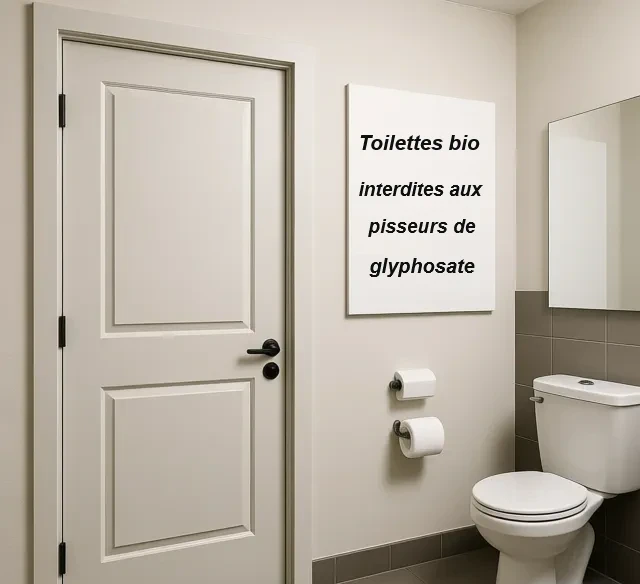
The campaign against glyphosate launched in April 2018 involved recruiting thousands of volunteers to provide urine samples to determine whether they contained traces of this much-maligned herbicide.
Stars Jamel Debbouze and Julie Gayet were enlisted by Élise Lucet for a report on Envoyé spécial, even though the test used, the Elisa method, is known to be flawed, generating more than 80% false positives. This analysis procedure had been recommended by the anti-pesticide NGO Générations Futures. The same samples tested using chromatography coupled with mass spectrometry revealed only trace amounts in 15% to 25% of the samples, with no impact on the health of the volunteers.
Everything mixes together in nature in infinitesimal doses that laboratory analyses can now detect. This is how we can find minute doses of radioactive uranium or even arsenic in the human body without it being a cause for concern The human body contains on average 90 µg of uranium, mainly distributed in the skeleton (66%), liver (16%) and kidneys (8%) ♦).
Of course, this is rarely disclosed by anti-glyphosate activists, who use these infinitesimal analyses to fuel their conspiracy theories and chemophobia.
More studies tainted by undeclared conflicts of interest
The Italian Ramazzini Institute, known for its partisan stance against pesticides, published a study in its journal in the summer of 2025 claiming to provide significant evidence of a dose-related increase in benign and malignant tumors in rats exposed to glyphosate. This study was promoted by a wide range of NGOs, activists, and sensationalist journalists, political organizations, and interest groups in the US litigation sector. This study aimed to contribute significantly to the debate surrounding the health effects of glyphosate, but the scientific weaknesses of this publication did not attract much attention from the newspaper L’Humanité, Europe Ecology, Le Monde, local newspapers such as Ouest-France, and others. The study was critically analyzed by the renowned biostatistician Robert Tarone in “The Firebreak,” a summary of which follows:
- The results provided by Ramazzini’s researchers suffered from flawed statistical analysis (using incorrect approximate p-values rather than much higher exact p-values), meaning that the number of significant tumor trends was actually very small.
- The funding for the research was tainted by undeclared conflicts of interest (particularly from the American litigation sector)
- The article’s publication process was biased (in a journal controlled by Ramazzini and reviewed by an activist from the Pesticide Action Network).
- The researchers drew conclusions despite the lack of statistically significant evidence in their results tables.
- The researchers chose not to cite or discuss an important study on tumors in rodents that contradicts their findings.
- The summarized results of IARC monograph 112 concerned only observed adenomas, with no apparent progression to carcinomas.
- The three groups exposed to glyphosate in the Ramazzini study all showed no evidence of a trend in tumor incidence across all anatomical sites.
A translation of the article containing more details on this critical analysis is available by clicking here
The background to the retraction of an article 25 years after its publication
More recently, an article published in 2000 by Williams et al. on the safety of glyphosate in the peer-reviewed journal *Regulatory Toxicology and Pharmacology* was retracted on grounds of scientific integrity, 25 years after its publication. This retraction, predictably, triggered a media campaign by anti-glyphosate groups, amplified in the local press and on social media. This article, accepted in 2000 by health agencies, presented evidence of glyphosate’s safety and relied on data provided by the industry. Furthermore, a letter leaked during the preparation of legal proceedings against Monsanto allegedly revealed that the company had participated in writing the article.
The retraction of the article is therefore not based on manipulated data or flawed methodology. The EFSA had already reacted two years ago to this article and the evidence presented, stating that industry involvement had been declared and that the way the article was written did not compromise its scientific content. It is interesting to note that the co-editor of the journal that retracted the article (Mr. Martin van den Berg) is known for his activism against industry and gained notoriety in the early 2000s for his rudimentary blood tests to support NGO campaigns against brominated flame retardants. Further details on this case, which contain other interesting information on the reasons for this retraction, are available by clicking here.
Glyphosate and conservation agriculture
Studies have shown that glyphosate is also an antibiotic and that it degrades the soil microbiome. It can chelate calcium and magnesium, reducing their absorption by plants. These concerns have never been confirmed in soil conservation techniques (particularly no-till farming) where glyphosate is used to destroy cover crops. In fact, the opposite is true: the objective of these farming techniques, widely used especially in the USA, is to restore soil biodiversity. Again, these studies have nothing to do with the reality of agricultural practices and the consequences related to the doses used. It is difficult to imagine how such a priority as restoring soil biodiversity could be thwarted by the application of a toxic substance that would poison the microflora.
In addition, conservation agriculture practices (reduced tillage, direct seeding, etc.) with the use of glyphosate produce a significant reduction in CO2 emissions of around 54.94 billion kg, equivalent to taking 21.8 million cars off the road each year (12).
Glyphosate verdict: Monsanto-Bayer wins case before the highest U.S. court.
On June 25, 2026, in the United States, Monsanto Bayer (the manufacturer of glyphosate) secured a significant victory. The U.S. Supreme Court ruled in the company’s favor, stating that federal provisions take precedence over state law. The Supreme Court’s decision is available by clicking on : ♦
For a long time, glyphosate has been the battleground between those who rely on consistent standards based on science and evidence, and those who challenge them using a narrative built on ignorance, disinformation, and conspiracy theories. All actions against glyphosate—including those in the US—have turned into an ideological struggle waged by extremist environmentalist circles to undermine trust in science, institutions, companies, and agricultural practices.
In the United States, glyphosate has been the target of a highly organized campaign aimed at overturning the decisions of federal authorities—such as the EPA—that set standards for pesticide labeling. Like regulatory bodies worldwide, the EPA has stated that glyphosate is not carcinogenic at the dosages recommended by the manufacturer.
Opponents of glyphosate sought, through legal action, to prioritize state-level decisions in order to mandate different warning labels that challenged the position of federal authorities. This would have fueled a multi-billion-dollar litigation industry based on “failure-to-warn” claims—specifically, the absence of information stating that glyphosate is carcinogenic, while omitting the context in which the IARC issued that assessment. The goal of anti-glyphosate activists was not merely to demand different labeling on glyphosate containers, but to impose alternative “truths” rooted in a simplistic narrative and a confusion between hazard and risk.
The U.S. Supreme Court decision set the record straight by drawing a consistent line. Simply put, if a product meets criteria established at the federal level by expert regulators, those criteria prevail—not a patchwork of recommendations imposed at the state level by glyphosate opponents.
Dallas dethroned by glyphosate; a saga that is far from over
Will the definitive ban on glyphosate in agriculture be enough to eliminate this molecule from the environment and from the urine of voluntary urine donors? This is doubtful, as researchers have found that most of the glyphosate found in European rivers does not come from agriculture, but from wastewater treatment plants, from additives used in laundry detergents: aminopolyphosphonates. The war on glyphosate is therefore far from over, with washing machines and the cleaning ladies who use them likely to be the next victims..….
Disastrous consequences for everyone
The ban on glyphosate in France compromises the availability of an effective tool for farmers, individuals, and local authorities. The economic consequences are catastrophic, both for farmers who face unfair competition from foreign producers and for local authorities who must resort to weeding, most often by hand, which costs taxpayers a fortune. As for amateur gardeners, they no longer have an effective weeding solution, except for elbow grease, as practiced in the Middle Ages. This is a step back more than a century to satisfy an electoral clientele blinded by backward-looking and anti-progressive extremists.
For more information; the glyphosate saga (a library of articles, press releases, etc.); click here
The U.S. State Department rejects the assessments of the International Agency for Research on Cancer (IARC).
On June 8, 2026, the U.S. State Department, in collaboration with the Department of Health and Human Services, effectively discredited all scientific decisions issued by the International Agency for Research on Cancer (IARC). Its press release (1) concludes that IARC’s risk assessments are inconsistent, lack transparency, and are inapplicable to any real-world situation. In other words, IARC’s scientific data are worthless. This is a severe blow to the WHO-affiliated institution, which is likely to lose a significant portion of its funding.
Donald Trump’s “buddy,” Robert Francis Kennedy, likely did not agree with this decision. The law firm of this former personal injury lawyer raked in millions of dollars from glyphosate-related lawsuits based solely on IARC Monograph 112.
Here are some of the most damning accusations made by the U.S. State Department:
- « In recent years, scientists, policymakers, and stakeholders have raised questions regarding the consistency, transparency, and real-world applicability of certain international cancer hazard assessments by the International Agency for Research on Cancer (IARC). Too often, broad classifications based on limited or theoretical risks can create unnecessary public confusion, undermine confidence in everyday products and industries, and lead to policy outcomes that are disconnected from actual exposure and modern scientific standards. »
- « IARC’s findings and monographs often blur the line between hazard and true risk, while diminishing independently verified findings of other research institutions. »
- « Furthermore, IARC’s research provides diminishing returns on scientific enterprise, while advancing politicized narratives that are often cited for U.S. domestic legal contexts. For example, equating red meat to tobacco products oversimplifies complex scientific discourse and does little to inform sound public health policy that could be of benefit to the American people. »
1) Joint Statement on the Preeminence of the U.S. Gouvernment Regulating Health Risks for Americans ♦
Opinions of some non-European health agencies on the carcinogenicity of glyphosate
– New Zealand Environmental Protection Authority (NZ EPA, August 2016) “It is concluded that the overall weight of evidence indicates that glyphosate is not carcinogenic” (5.
-Australian Pesticides and Veterinary Medicines Authority (APVMA, September 2016): “The APVMA has concluded that glyphosate does not pose a carcinogenic risk to humans” (6).
-Japanese Food Safety Commission (FSCJ, September 30, 2016): “Glyphosate is not neurotoxic, carcinogenic, toxic to reproduction, teratogenic, or genotoxic” (7).
-Canadian Pest Management Regulatory Agency (PMRA, April 28, 2017): “Glyphosate is not genotoxic and is unlikely to pose a cancer risk to humans” (8).
-US Environmental Protection Agency (EPA, December 12, 2017): “The comprehensive evaluation of the data supports the statement ‘not likely to be a human carcinogen’” (9).
1) ARC Monographs Questions and Answers”, OMS, 2015.
https://pediatraselche.files.wordpress.com/2015/10/monographs-qa.pdf
2) Exhibit 2, UNITED STATES DISTRICT COURT NORTHERN DISTRICT OF CALIFORNIA, ROUNDUP PRODUCTS MDL LIABILITY LITIGATION
3) glyphosate-Based Herbicides Produce Teratogenic Effects on Vertebrates by Impairing Retinoic Acid Signaling
4) Water Research 1 10 2024 Université de Tübingen ; Glyphosate contamination in European rivers not from herbicide application? Glyphosate contamination in European rivers not from herbicide application? – ScienceDirect ♦
5) Review of the Evidence Relating to Glyphosate and Carcinogenicity ur epa.govt.nz
6) Glyphosate sur apvma.gov.au
7) Risk Assessment Report : Pesticides, Glyphosate, Food Safety Commission of Japan sur jstage.jst.go.jp
8) Décision de réévaluation RVD2017-01, Glyphosate sur publications.gc.ca
9) Revised Glyphosate Issue Paper : Evaluation of Carcinogenic Potential sur regulations.gov
10) Règlement – 2017/2158 – EN – EUR-Lex ♦
11) Le talc classé comme probablement cancérogène par l’OMS ♦
12) Glyphosate Use Contributes to Reduction of Global CO2 Emissions- Crop Biotech Update (January 14, 2026) | Crop Biotech Update – ISAAA.org