

Introduction to integrated methods in the vegetable garden
chapter crop sol
Weed management in the vegetable garden
Click on ♦ to go to a page in the chapter
Analysis of the physico-chemical properties of cultivated soils ♦
. Texture and structure of cultivated soils ♦
. Clay-humus complexes and cation exchange capacity ♦
. Other interesting data that may be included in a laboratory analysis ♦
Influence of pH on the fertility potential of cultivated soils ♦
Humus; formation and evolution ♦
Soil fertility: is the apocalypse coming tomorrow? ♦
The microbial world and soil fertility ♦
Rhizosphere, mychorizae and suppressive soils ♦
Correction of soils that are very clayey, too calcareous or too sandy ♦
Stimation of humus losses in cultivated soil ♦
Compost production for a vegetable garden ♦
Composting with thermophilic phase ♦
⇒ Weed management in the vegetable garden
To plow or not to plow? ♦
The rotary tiller, the spade fork, and the broadfork ♦
Please share this website with your friends and family and anyone else who might be interested in integrated farming methods.
Weeds, also known as unwanted plants (or wild grasses when they thrive in uncultivated areas such as roadsides), have long been considered undesirable wild plants that spontaneously grow in crops. Weeding is practised on every continent by billions of farmers. The need to control weeds has therefore long been recognised wherever agriculture has taken root. This essential plant protection technique is the origin of the saying “weeds are the family of bad farmers”. If we go further back in human history, weeds are mentioned, for example, in the Gospel of Saint Matthew (chapter 13, verses 24-30).
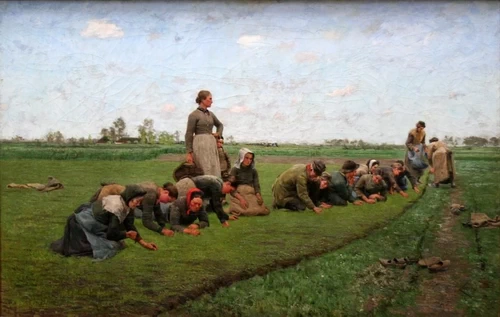
Tableau Emile Claus – désherbage manuel du lin
Before the mechanisation of agriculture and the invention of chemical weed control, protecting crops from weeds relied on a large workforce of men, women and children.
Using rudimentary tools in difficult conditions, weeding fields and vegetable gardens occupied a large part of the family’s time. This weeding technique was the cause of a common occupational disease characterised by back deformities in farmers, accompanied by arthritic pain.
Nowadays, disregarding the millennia of experience of farmers around the world, some advocates of agroecology claim that weeding is unnecessary. Others believe that limiting weed destruction is beneficial for preserving biodiversity. Weeds are said to help maintain soil fertility and reduce pest populations. What do the latest scientific studies say that can help us make the right decisions?
Relationship between vegetable plants and weeds: a problem of food competition
The amount of assimilable mineral salts contained in arable land is not infinite. Any mineral salts taken from the soil by weeds will not benefit cultivated plants, resulting in lower yields and deficiencies that promote the emergence of diseases. Competition for water is also an important factor in the harmfulness of weeds, especially in regions where crops require irrigation. The more weeds there are, the more irrigation water is lost to weeds.
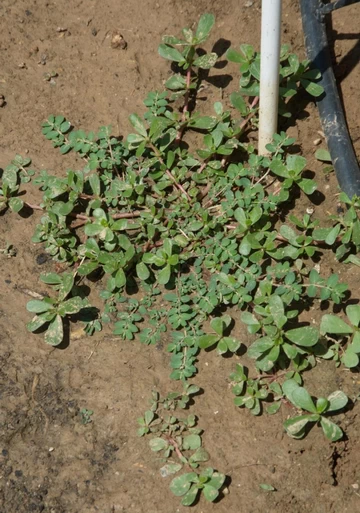
pourpier sauvage
In most cases, competition for food favours weeds because they have adapted to their environment over millions of years, whereas cultivated plants, most of which are imported, have not, even those that have been around for several millennia, such as cereals.
Weeds are often endemic, and some have adapted to farming conditions. For example, wild purslane, which thrives in moist conditions, proliferates rapidly on frequently watered land, becoming endemic. Field sow thistle thrives on cool, moist clay-limestone soils rich in nutrients, which are also suitable for market gardening.
Other weeds were imported accidentally, such as the poppy, which arrived 4,000 years ago alongside wheat seeds from the Middle East. The poppy matures at the same time as wheat, or even slightly earlier, which ensures its dissemination.
All environments harbour specific weeds adapted to their environment, including agricultural environments.
In many cases, in our latitudes, cultivated plants thrive in an environment that is different from their native habitat, and they need to be nourished and protected by farmers, whereas native weeds grow naturally.
In addition, cultivated plants have undergone selective breeding for thousands of years to meet specific objectives (feeding farmers, resisting disease), which in most cases do not include greater resistance to weeds, as this is more difficult to achieve (except for glyphosate-resistant GMOs, which facilitate chemical weed control). In fact, the opposite is often true.
However, competition between cultivated plants and weeds is more complex than it might appear at first glance. Many factors come into play to modulate the harmfulness of weeds to a greater or lesser extent. It is now accepted that crop yield losses are insignificant when the growth rate of certain weeds does not interfere with the growth of cultivated plants. However, in most cases, competition favours weeds when they have a high germination rate. When soil fertility is optimised by organic and/or mineral inputs, weeds that produce numerous seeds throughout the year are boosted. The population of these weeds can then become a serious concern. This situation is even more difficult to control when a reservoir of dormant weed seeds builds up in the soil
A reverse competition to the benefit of cultivated plants can occur. This phenomenon is encountered in particular in viticulture and arboriculture due to the root mass and rooting depth of cultivated plants, which results in a dominant food competition on weeds. Quantifying and specifying the conditions of competition between cultivated plants and weeds has proven to be very useful in recent years for environmental balances and to benefit from ecosystem services.
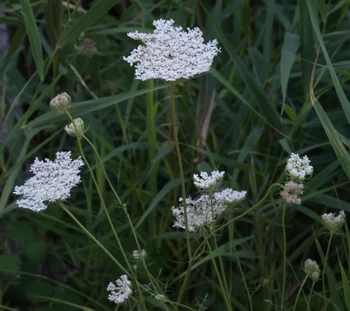
fleurs dentelles de la Reine Anne (Daucus carota) souvent rencontré sur les bords des chemins et dans les champs
The intensity of competition between cultivated and wild plants depends on the distance between each plant, the density of the populations and their ability to take nutrients from the soil reserves and the size of these reserves.
This competition exists when plants coexist in the same soil horizon, which is not always the case. A different root system may result in less or no competition. As for sunlight, a lack of sunlight has the same consequences on the profitability of the crop by reducing the number, size and quality of fruits or grains or other parts of the plant intended for consumption.
Competition is strongest for nitrogen. If the weeds emerge more quickly or if they are nitrophilic species, they will take nitrogen at the expense of the crop plants..
Some vegetable crops are very affected by the presence of weeds in their growing area. This is the case for carrots which, at the beginning of their vegetation, do not tolerate competition from weeds very well. This is also the case for peppers, shallots, celeriac and others that do not tolerate competition from weeds. This is why it is essential to control weeds throughout the crop cycle in order to avoid yield losses that can be significant. In addition, weeds can bring opportunistic diseases caused by nutritional deficiencies.
The gardener still needs to know how to diagnose what is going on in his garden. Some people are convinced that they have acceptable results when their crops are stunted. How many times have I noticed the existence of deficient and diseased vegetable plants caused by the presence of too many weeds, or even insufficient organic and mineral fertilisers to correct exhausted soils! What is misleading in agriculture is that the “all or nothing” principle rarely works. It is very often possible to obtain a harvest. But with what quality? Are the yields obtained in accordance with agronomic studies? With how much loss?
Changes in weed populations in cultivated soils
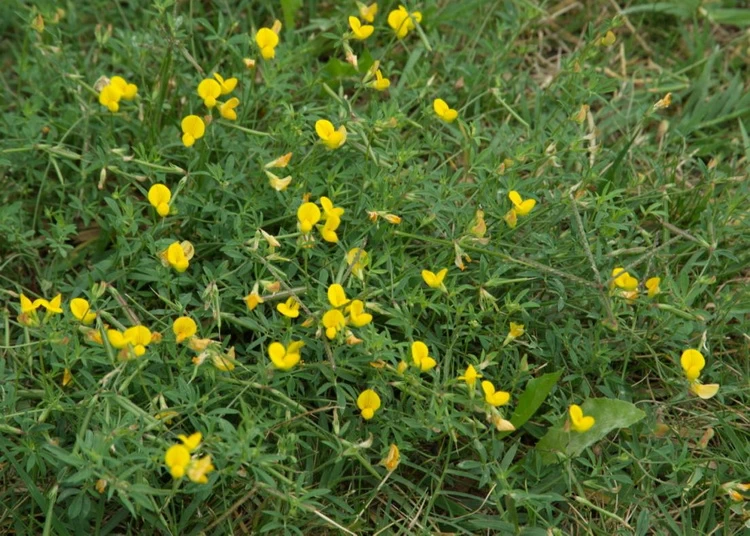
Luzerne sauvage ou Lupiline
The majority of weeds are dependent on crop soils and are selected by weed control methods, tillage, the development of herbicide resistance and farmer interventions to modify fertility such as organic and/or mineral fertilisers.
When the farmer manages to reduce the populations of certain weeds, or even to eliminate them, other weeds take advantage of the places freed up. Species have thus become dominant on plots commonly treated with selective weedkillers or having been weeded mechanically or manually. Organic fertilisers can also cause weeds to increase in periods when the nitrates produced by these inputs are in excess.
Conversely, some species have disappeared. This is notably the case for acidophilic species when calcareous amendments are applied, or for biennial weeds that do not resist several weeding operations undertaken during the growing seasons. Cornflower (Centaurea cyanus) has been steadily declining since the practice of chemical weed control. It is considered that the best adapted species are annual weeds whose vegetative cycle and environmental conditions correspond to the crops, or when they have organs such as rhizomes that are more resistant to mechanical weeding.
At least two types of plants can be distinguished by their mode of reproduction. The first group includes geophytic and hemicryptophytic weeds that reproduce in the soil using specific organs such as rhizomes (horsetail, etc.). The second group consists of therophytes that reproduce by means of seeds. The vast majority of therophytes present in crops produce more or less dormant seeds that germinate when certain conditions are present. Some weeds, such as perennial sow-thistle, reproduce by both methods, making them more difficult to control.
weeds seeds can be resistant to burial, to enzymes of herbivorous vertebrates or beneficial soil organisms, and to drought.
Seeds often germinate at different times of the year depending on the date of tillage, sowing, or even the type and method of cultivation (e.g. speedwells, mustards are difficult to control in organic farming, which is not the case in conventional farming). All species that reproduce in the soil have the disadvantage of multiplying when the farmer unintentionally breaks them up with a tillage tool. Some species have such deep roots, such as equisetum arvense (field horsetail), that they cannot be eradicated by tillage alone.
The harmfulness of a therophyte is also characterised by its ability to produce more or less abundant seeds. This harmfulness is even more obvious when the seeds are very small and light, which favours their dispersion by strong winds. The poppy, so appreciated by the activists of the movement in french that bears the same name, can produce 60,000 seeds. These activists are probably unaware of the threat posed by a colony of poppies in a field, which will not fail to take advantage of the fertilisers provided by the farmer. Chickweed is known to germinate all year round. Most therophytes disperse their seeds around them. When germination conditions are favourable, the seedlings can choke out a semi of vegetable plants.
Many seeds are stored in the soil waiting for favourable conditions to produce seedlings, such as a return to the surface after ploughing or timely weather conditions or the end of a drought. It is therefore important to reduce the production of these seeds before tillage (e.g. by false seeding) if you do not want to have an invasive weeds population at the next tillage.
Market gardeners are confronted with problems linked to the rapid succession of crops on certain plots, selecting species with a short life cycle and seed production throughout the growing season, such as chickweed, wild purslane and many grasses.
The dormancy of weed seeds
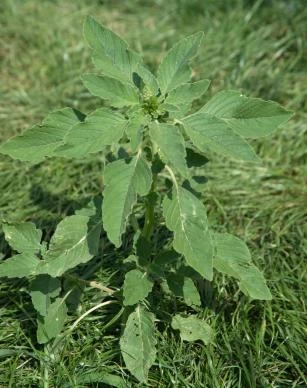
Seed dormancy is characterised by the absence of germination of viable seeds during certain periods of the year when environmental conditions are favourable. This limits germination to periods of the year that are conducive to optimal reproduction of the species.
However, other species such as bluegrass, wild geraniums, chamomile, chamomile, chickweed, common chickweed, field mustard, ragwort, rough rapeseed, veronica, vetch, wild oats and ryegrass are capable of producing seeds throughout the year.
Some species produce seeds with a high degree of primary dormancy, which ends when certain hydrothermal conditions and duration of sunlight are reached. Primary dormancy is often followed by secondary dormancy, which corresponds to seeds still present in the soil. Depending on the seasonal cycle, secondary dormancy is characterised by a succession of seed induction and emergence. Some species, such as scentless mayweed, do not experience secondary dormancy.
Weeds and soil enrichment with nutrients
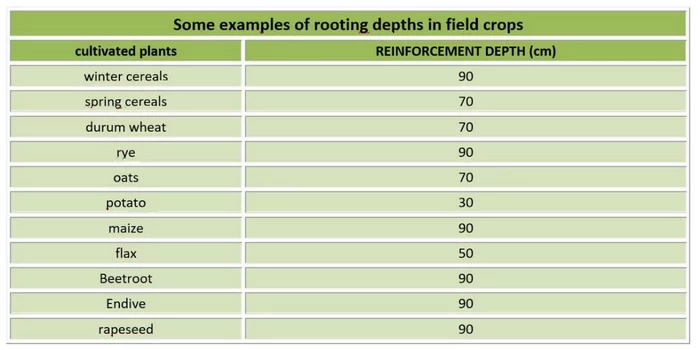
Source : AgroParisTech, Institut des sciences et industries du vivant et de l’environnement, la fertilisation azote – cours en ligne – ♦
Some weeds bring nutrients from deep underground to the surface. The idea is not wrong, but keeping these weeds in agriculture is often of little use, as it is mainly the weeds that benefit from the nutrients taken from deep underground, unless they are destroyed and their residues remain in place to be decomposed.
Some of the substances captured deep underground could end up in the soil as a result of exchanges between plants and microorganisms, but to my knowledge there are no serious studies showing a measurable and acceptable benefit for crops
A weed is no more effective than certain vegetables or cereals at extracting nutrients from deep within the bedrock. Some root vegetables, such as chicory and beetroot, have roots that can extend down to 90 cm
This is also the case with carrot rootlets, which can grow to a depth of 90 cm, a fact that has been known for a long time (1). Sunflower roots can grow to a depth of 3 m.
Most cereals have roots that extend to a depth of more than 50 cm. The root system of tomatoes spreads over 30 to 40 cm, and some branches can extend to a depth of 1 m (2).
When weeds become natural reservoirs for pests
Grass strips are often maintained between rows of fruit trees and vine plants. Due to their root development, trees and shrubs are effective competitors against weeds. Permanent grass strips have the advantage of facilitating the fixation of atmospheric nitrogen in the soil. However, grass strips near crops can have disadvantages, the most well-known of which are described below:
- Weeds serve as natural reservoirs for polyphagous pests such as the South American leaf miner and the onion fly, which is fond of dandelions. Many aphids thrive in weeds. This is the case with the apple aphid, which migrates to plantain in summer. This is also the case with the black aphid, which easily migrates to field thistles. Certain viruses are transmitted by insects from one plant species to another, such as the cucumber mosaic virus, which is highly polyphagous; it can infect more than 700 different species representing 92 botanical families, belonging to both monocotyledons and dicotyledons (3). The role of intermediate host has also been observed for pathogenic bacteria and parasitic nematodes. The risk is even greater when weed species and cultivated plants are genetically similar.
- Verticillium wilt is one of the most well-known diseases in vegetable cultivation, affecting many plants, particularly tomatoes, potatoes, peppers, cucumbers, artichokes and, above all, aubergines. It is caused by a soil fungus (Verticillium) that enters the vascular system of plants through the roots. Verticillium also parasitises weeds such as black nightshade and amaranth, which then become vectors for the spread of this parasite, often via beneficial organisms (such as earthworms) or polyphagous pests.
- For cereals, field foxtail and other grasses are vectors of the barley, oat and wheat dwarf virus (BYDV). Certain weeds, such as common chickweed, can be healthy carriers of viruses that can be transmitted by aphids to cultivated plants (beet yellows virus or rapeseed yellows virus). These weeds show no symptoms and are vectors for the establishment and spread of viruses if they are left in place near crops.
- The transfer of diseases present on weeds to crops, as well as certain substances produced by pathogens, can become particularly dangerous to human health and that of domestic and farm animals. The prevalence of toxins from fungal diseases can affect crop quality rather than quantity. There is a correlation between weeds and the presence of several species of Fusarium on maize, which can produce more than 23 mycotoxins (4). Other examples include rye ergot, which affects grass weeds, and the particularly allergenic pollen of ragweed, which can be deposited on crops.
Weeds are also considered essential to maintaining biodiversity, especially when they encourage the establishment of beneficial organisms such as earthworms in the soil, aphid predators, etc. So how should weeds be treated? How can we reconcile the imperatives of agriculture with respect for the environment, consumer health and ensuring the sustainability of agricultural systems?
Biological weed control
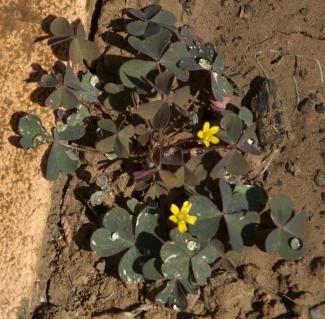
Oxalis cornicule
In vegetable gardens, controlling weed growth using selective herbicides is often frowned upon, especially since they are not necessary unless the garden is overrun with particularly hardy species such as horsetail. A goal that is compatible with ecological concerns would be to maintain enough weed species to benefit from ecosystem services, but not too many to avoid a significant loss of production.
Unfortunately, there is a lack of scientific studies specifying which plants to choose and how many plants to leave in place, taking into account the physical and biological characteristics of the soil, climatic variations, the nature of the crops, irrigation, etc.
And how can you select and destroy the most problematic weeds that harbour dangerous pests? This is a headache for amateur gardeners, especially since, in practice, they quickly find themselves faced with unmanageable competition problems in the summer season as soon as they neglect to remove weeds.
It is therefore much more useful to eliminate as many weeds as possible within the crop perimeter, but to allow them to grow under control nearby, e.g. in paths and hedges, in order to benefit from ecosystem services where possible.
As the surface area of private vegetable gardens is often less than 500 m², periodic manual hoeing is more than sufficient to achieve this objective. Of course, while this work is still within the reach of amateur gardeners, the same cannot be said for large-scale farming, which requires specialised tools driven by tractors.
Weed control must therefore be undertaken using methods that incorporate management levers likely to hinder their development (e.g. sowing date, choice of variety and fertiliser, tillage periods, crop rotation diversification, stimulation of weed seed germination during intercrop periods, choice of cover crop for TCSL, precision chemical weeding, etc.); solutions to be considered when an amateur gardener manages an area of 1000 m² or more.
A weed community evolves according to environmental conditions. When these conditions become less favourable, certain species gradually recruit at the expense of others, leading to a decline in weed communities and a reduction in their genetic reserve.
A significant change in cultivation techniques spread over several years can substantially reduce certain weeds, as the ecological conditions compatible with their existence no longer exist. However, some species possess a very high degree of adaptability to environmental changes. Here are some levers that can influence weed development in vegetable gardens and field crops. :
- An increase in nitrogen fertilisation has negative repercussions on weeds adapted to low-nutrient environments, such as lupidic alfalfa. On the other hand, excess nitrogen favours weeds that are greedy for this nutrient, such as bindweed. An invasive presence of bindweed in a cultivated plot is often a sign of nitrogen imbalance (for example, following the application of manure in the spring, producing an excess of nitrates that are not absorbed by vegetable plants).
- Precise adjustment of nitrogen input throughout the crop cycle is also a biological means of reducing weed growth. Certain crops, such as wheat, are highly competitive with weeds in nitrogen-deficient conditions, although yields are also reduced.
- Ploughing eliminates autumn weeds, but not spring weeds, which can be reduced by hoeing.
- Fake ploughing in summer and autumn is quite effective in eliminating annual weeds that germinate in spring, such as goosefoot and orache.
- In market gardening, nutrient-intensive crops with a very rapid growth cycle (such as turnips) significantly compete with certain weeds, or are little affected by their presence.
- Increased competition for light will be promoted by a denser sowing of a cultivar that will suppress weeds.
- Watering followed by the installation of transparent covers creates a greenhouse effect that promotes the germination of certain weeds. Weeding will destroy most of these weeds, which are sensitive to artificial temperature increases.
- Liming carried out to improve the structure of clay soils has an indirect effect on certain acidophilic weeds such as bracken, field bindweed and corn chrysanthemum. However, this technique can encourage other weeds such as field bindweed, which prefers soil with a basic to neutral pH.
- Certain weeds such as black nightshade, lamb’s quarters and chamomile secrete substances that reduce the germination of certain crops (5). This is also the case with certain productive crops such as rye and oats, which secrete toxic substances that harm weeds when they are vigorous. This lever should be used on a case-by-case basis, alternating with other control methods described above.
- The field thistle, which is very common in France, does not tolerate smothering crops such as rye, crimson clover, alfalfa and oats. Three to four successive stubble ploughings after harvesting are effective if winged tools are used, especially when weather conditions permit (dry periods).
Errors in agricultural practices can encourage the proliferation of certain weeds. For example, crops that are frequently grown on the same plot of land can cause a dramatic change in the weed population. The role of mutations selected by agricultural practices, such as resistance to selective or non-selective herbicides, must also be taken into account. It is therefore necessary to change cultivation techniques in order to break these forms of adaptation.
Another example of error: an excess of potassium and/or assimilable phosphorus in the soil promotes weeds that consume these nutrients in abundance. In wheat, rapeseed and maize crops, this phenomenon is observed to the benefit of weeds when the supply of these nutrients is poorly regulated.
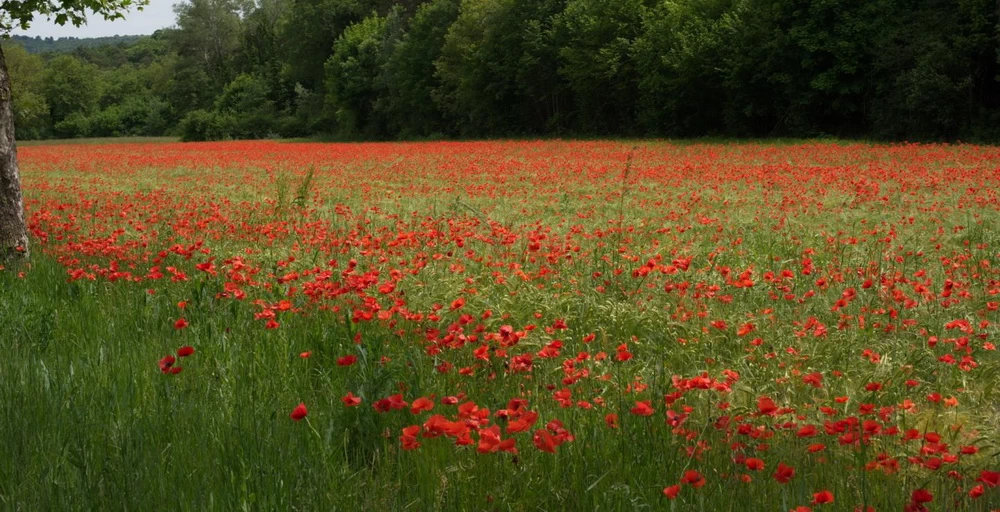
Wheat field overrun by Papaver rhoeas; Route de Forcalquier (04)
Formerly known as wild poppy, Papaver Rhoeas, commonly known as corn poppy, was introduced during prehistoric times at the same time as the domestication of cereals. From the same family as the poppy, the corn poppy contains alkaloids including rhoeadine, which is similar to opium and toxic to certain animals, particularly horses. Its toxicity has been observed in mice at doses of 2 g of dry plant extract per kg (1).
The poppy is highly competitive with winter cereals, particularly wheat sown in autumn. It harbours various viruses that can be transmitted by insects to beet crops (including the dreaded beet yellow virus (BYV closterovirus), artichoke AILV, potato virus X, turnip mosaic virus, etc.).
Therefore, for obvious health and environmental reasons, controlling the growth of poppies in fields through mechanical weeding or even herbicides is essential.
And yet, some advocates of agriculture based on agroecological methods refuse to reduce the proliferation of poppies, resulting in increasingly problematic infestations of their crop fields. This is a delight for painters and photographers when the flowers are in bloom, but not necessarily for the preservation of biodiversity.
It should be noted that poppy seeds cannot germinate at a depth of 1 to 1.5 cm, which makes it possible to eliminate them by ploughing followed by weeding after watering (false sowing technique).
Weeds and biodiversity corridors
The presence of weeds in biodiversity corridors is considered beneficial for the following reasons (non-exhaustive list with details of their limitations):
- Cultivated plants that produce flowers usually provide a food source for pollinators over a very short period of time. This is particularly true of fruit trees and cereal crops. Weed flowers produce pollen for pollinators outside of the flowering season for crops.
- Crop pollination is facilitated by the presence of flowering weeds (such as wild oat, poppy, wild pansy, and cornflower).
- Weeds contribute to biomass production and CO² fixation in the soil.
- The rhizosphere of weeds is the site of multiple biological reactions such as atmospheric nitrogen fixation and the release of phosphorus from the soil. This characteristic is not necessarily very useful, as the rhizosphere of many cultivated plants produces the same benefits.
- Weeds produce food and shelter for invertebrates associated with crops. Weed seeds are a source of nutrition for certain insects, particularly carabid beetles that prey on various pests, and probably for earthworms.
If biodiversity areas become reservoirs for particularly virulent and uncontrollable pests, action must be taken to clean up these areas by removing the weeds that protect these pests.
Therefore, the destruction or preservation of weeds near crops must be assessed on a case-by-case basis. Maintaining weeds is incompatible with certain biocontrol techniques such as insect nets (see the chapter on biocontrol methods; insect nets).
Some books and articles on agroecology sometimes state that weeds should not be destroyed because they are a source of fresh organic matter. However, the production of humus by hoeing weeds is often mediocre. Weeds that reach physiological maturity contain more carbon than when green, but if weeds are allowed to mature, there is a risk of seriously reducing yields and causing deficiencies in exportable crops.
The limitations of mechanical weeding
Furthermore, manual or mechanical work is not effective against certain perennial weeds with rhizomes, such as creeping bentgrass, curly dock, field bindweed, thistle and horsetail. For example, the tuberised taproot of rumex is very resistant even after uprooting, as small pieces of the root collar left in the soil attached to rootlets are capable of regrowing.
It should be noted that, according to the Gironde Chamber of Agriculture, to cite one example, switching from chemical weed control to mechanical weed control under the rows generates an average additional cost of €500 per hectare (six to seven hours of extra labour, purchase of equipment, diesel consumption) and represents more than 17% of the cost price of bulk wines (6).
Advantages and disadvantages of mulching to reduce weed pressure
For large areas of vegetable crops, plastic mulching is used on certain crops (lettuce, shallots, melons, etc.) to limit weed growth; this is an easy process to implement at planting time and can also be used in vegetable gardens. However, it should be noted that this process has a disadvantage. It limits gas exchange between the soil and the atmosphere.
The active zone located in the top few centimetres of soil needs oxygen, and any obstacle that hinders gas exchange with the atmosphere has an impact on soil biodiversity. It is not only plants that are affected by the lack of light. Microorganisms such as cyanobacteria, which thrive on the soil surface, are also affected. On the other hand, mulching has the advantage of reducing water evaporation. In the Provence-Alpes-Côte d’Azur region, mulching is often practised in certain crops such as melons to reduce weed growth and limit water loss
While plastic mulch facilitates better weed control, it is also important to bear in mind that recycling it is problematic. There is another option. It is now possible to install compostable and biodegradable woven mulch with a lifespan of approximately 36 months. This mulch can be purchased by clicking here.
Is it normal for a vegetable garden to have a lot of weeds?
A properly prepared garden soil rich in nutrients inevitably encourages the growth of weeds, which appear mainly in summer. Birds and the wind constantly deposit weed seeds. The frequent regrowth of various weeds can be considered a good test of the soil’s fertility potential. In summer, periodic hoeing prevents weed seedlings from spreading. Hoeing should be done in the morning when no precipitation is forecast for the day. In Provence, due to the intense heat of the afternoon, hoeing in the morning is particularly effective in drying out all the weeds that have been cut within a few hours.
Herbicides approved for use in biocontrol plant protection products
Weed killers derived from living organisms, which are more environmentally friendly, are included in the list of biocontrol plant protection products. These are preparations based on acetic acid, pelargonic acid and other substances. These products are rapidly broken down by microflora. Unfortunately, they are less effective than chemical weedkillers and are useless for permanently destroying tough weeds such as bindweed, horsetail and couch grass.
However, these weedkillers can still be useful. They are described in more detail by clicking here.
Tip
How to get rid of bindweed :
Bindweed is known to be extremely difficult to eradicate due to its very strong roots that grow deep into the soil. Even the smallest fragment left in the soil will eventually sprout. Bindweed thrives when the soil receives more fertiliser than the crops require.
The growth of bindweed can be controlled using a selective weedkiller containing dimethylamine salt, an ammonia derivative also used for other purposes such as leather tanning.
It should be noted that the German cockroach uses dimethylamine as a pheromone to communicate with other cockroaches. Unfortunately, deep-rooted bindweed is more resistant, requiring repeated treatments. For small vegetable gardens, selective weedkiller can be applied to the bindweed leaves using a brush or small sprayer to avoid spraying nearby useful crops
.
Can weeds reduce the proliferation of gastropods?
Leaving weeds near crops would have the advantage of attracting slugs and snails, and vegetable plants would be better protected. I have never noticed that all snails and slugs are drawn to weeds as if they were attracted by a magnet. Furthermore, this provides these predators with enough food to reproduce. In the end, you end up with more slugs and snails that will eventually invade the vegetable garden anyway. Most gastropods have a very broad diet and do not distinguish between green grass and appetising salad.
Some amateur gardeners are convinced that snails and slugs help control weeds. If you want to manage weeds using biological control methods, you need to choose much more effective predators, particularly by introducing seed-eating organisms. Many arthropods, such as ground beetles, ants and birds, consume significant quantities of weed seeds.
It is therefore important to encourage the establishment of beneficial beetles in and around vegetable gardens, just as it is useful not to systematically destroy all ant nests. However, we should not expect to completely eradicate weeds by encouraging the establishment of seed-eating insects. The few studies available show that the predation rate is around 40%, but this can vary considerably depending on the agronomic context (type of weeds, climate, protection by plant cover, biodiversity corridor, type of crop, etc.).
Weeding with thermal lances
In order to replace chemical weedkillers, methods that are more respectful of ecosystems are available in garden centres. But are these methods appropriate? Fear of ‘chemicals’ sometimes leads to surprising practices that have harmful consequences for the environment.
Take, for example, the recent craze for gas-powered weed burners, which are highly praised by certain circles within the environmental movement. The city of Lyon, to cite one example, which prides itself on being a model of environmental practices, requires its gardeners to use this method of weeding. However, gas weeding requires powerful equipment that uses a fossil fuel that produces CO₂, a greenhouse gas, as many people know. It takes 5 to 8 passes to achieve an acceptable result. And even then, the roots of some perennials are not affected.
So don’t expect to easily get rid of brambles, couch grass, horsetails, bindweed, etc., which readily produce new shoots, just like in a forest after a fire. Furthermore, these thermal lances cannot be used in vegetable gardens if you don’t want to incinerate your vegetables at the same time. It is not easy to incinerate vegetation in areas at risk of fire, which are quite numerous in the Provence-Alpes-Côte d’Azur region.
Boiling water: another environmentally unfriendly weed control method
There are also tips in small brochures distributed in certain specialist organic shops, which explain that you can weed using boiling water, which of course but this is not specified on the leaflet, requires large quantities of water and energy to heat it to 100°C, thus releasing CO² into the atmosphere, not to mention the risk of accidents during handling and spreading.
Is it possible to weed without using chemicals that are harmful to the environment?
Websites have become tools for misinformation for those who are not careful. For example, it is possible to get rid of weeds using a simple, inexpensive trick found on many “alternative” gardening websites, for example by clicking here.
How? Using the solution below for one square metre, applied with a spray bottle:
– 480 ml white vinegar,
– 140 g salt,
– A drop of washing-up liquid,
– A large spray bottle.
Note the precision of the ingredient quantities, without knowing why.
Of course, the mixture would not be “aggressive at all – except for weed removal”. Clearly, the genius who invented this trick has a big problem with orders of magnitude and the properties of table salt :
This miracle solution still represents 1.4 tonnes of salt per hectare (compared to doses of ‘chemical’ herbicides, which are often expressed in grams per hectare).
As a reminder, table salt (NaCl) is a sodium atom bonded to a chlorine atom. Sodium chloride is known for its considerable impact on the environment, which can lead to the disappearance of plant and animal species and the destruction of farmland. Sodium chloride accumulates in groundwater over time and is released into watercourses even during the summer, when groundwater plays a crucial role in water supply.
1)Répertoire universel et raisonné d’agriculture carotte et panais, en pleine terre – François de Neufchateau – An XIII, 1804
2) La fertilisation des cultures légumières – Ctifl ; H Zuang – Edition 1982
3) Ephitia ; virus de la mosaïque du concombre ♦
4) Reboud X., Eychenne N., Délos M., Folcher L., 2016. Withdrawal of maize protection by herbicides and insecticides increases mycotoxins contamination near maximum thresholds. Agronomy for Sustainable Development, 36 (3), 1-10. ♦
5) Kadioglu et al., 2005 Allelopathic effects of weeds extracts against seed germi- nation of some plants. Journal of environmental biologie, Academy of Environmental Biology, India, 26 (2), 169-173. ♦
6) Vitisphère 14-10-2019 ♦